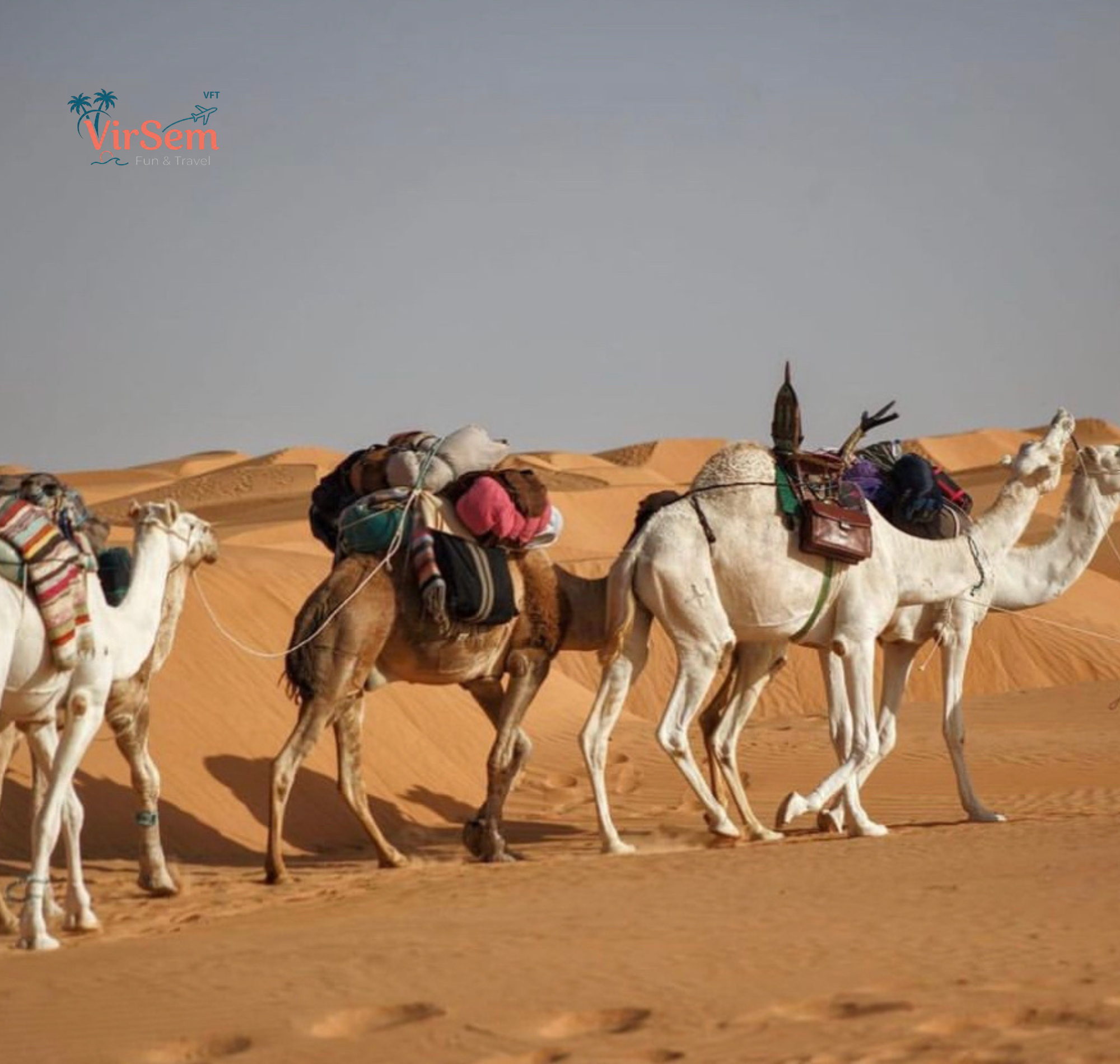
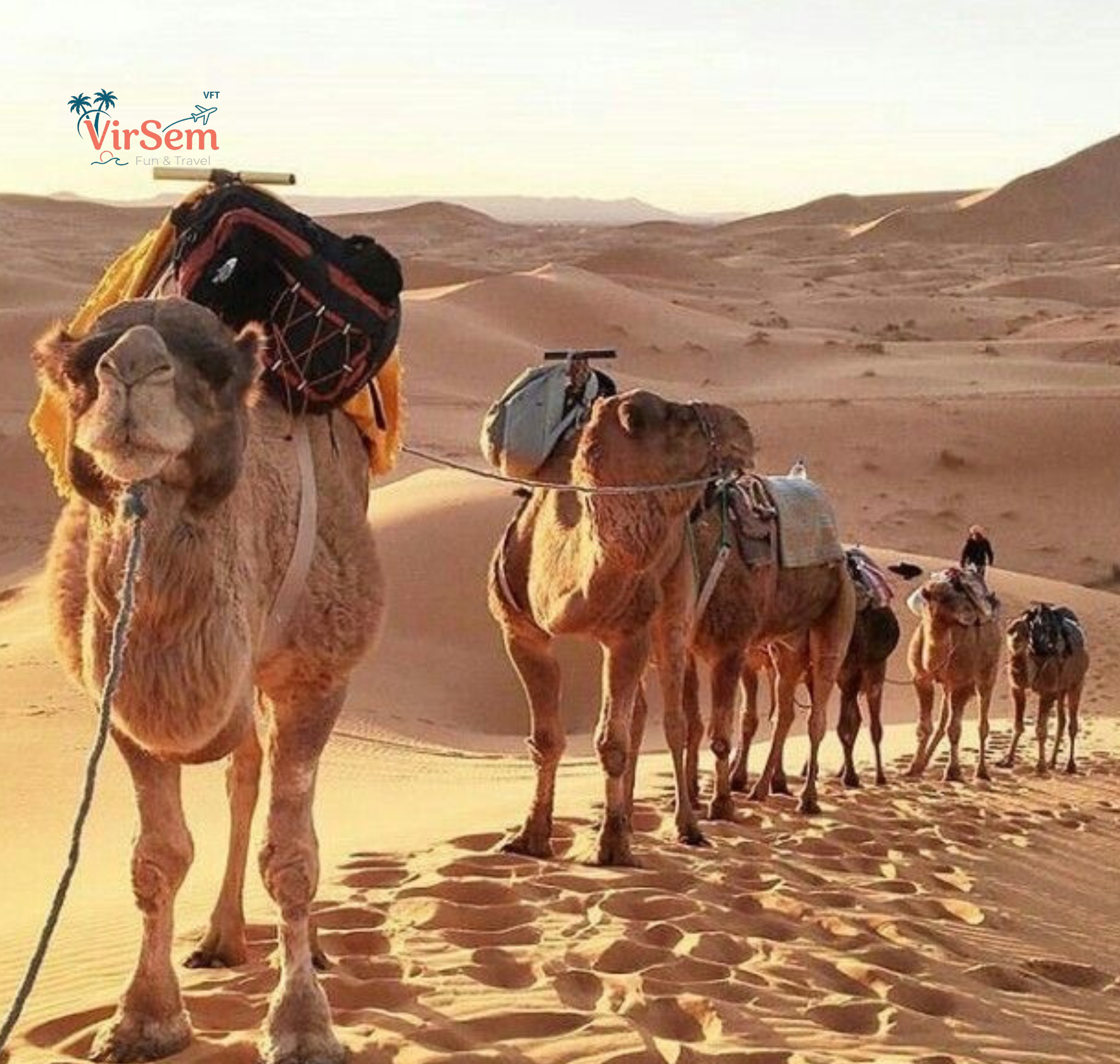
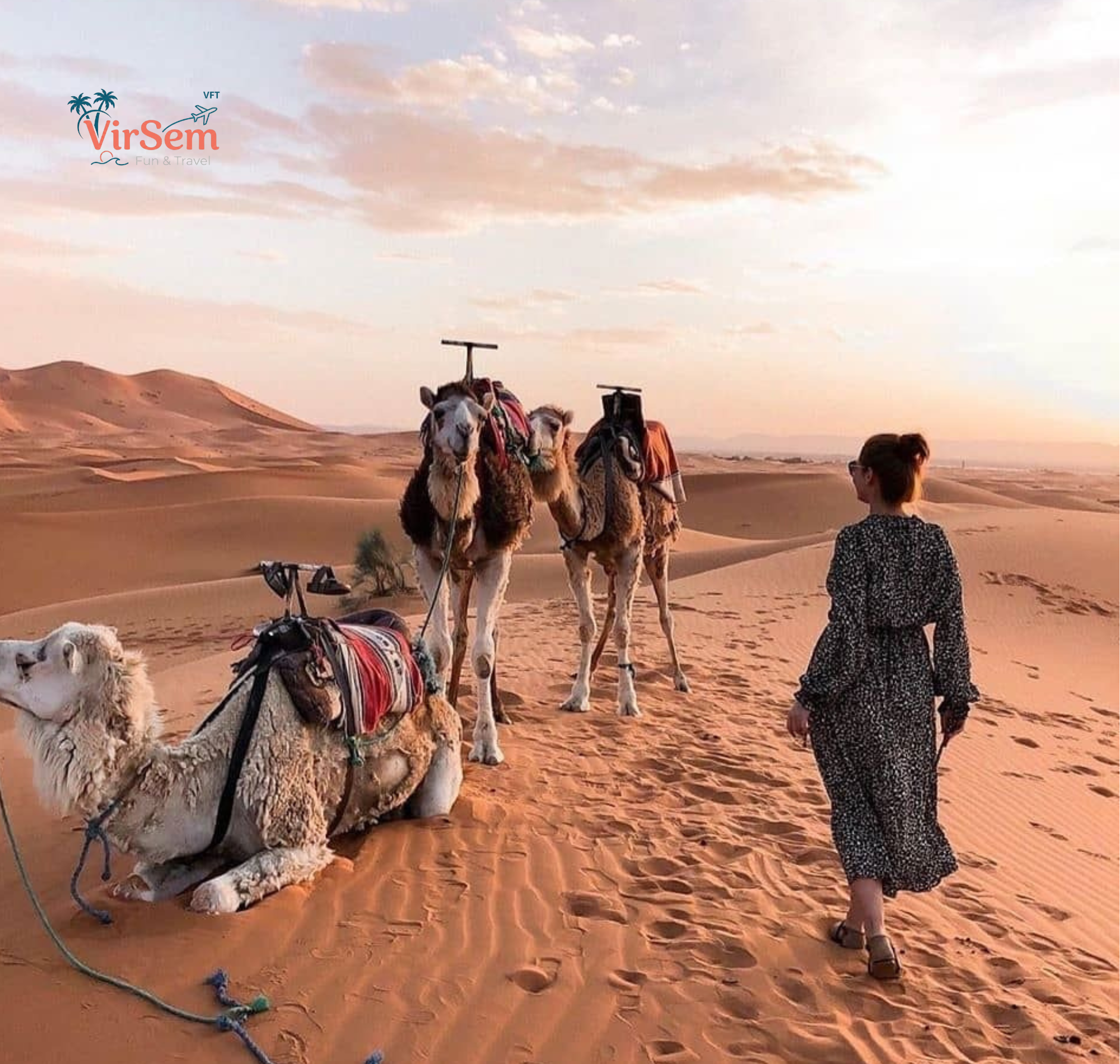
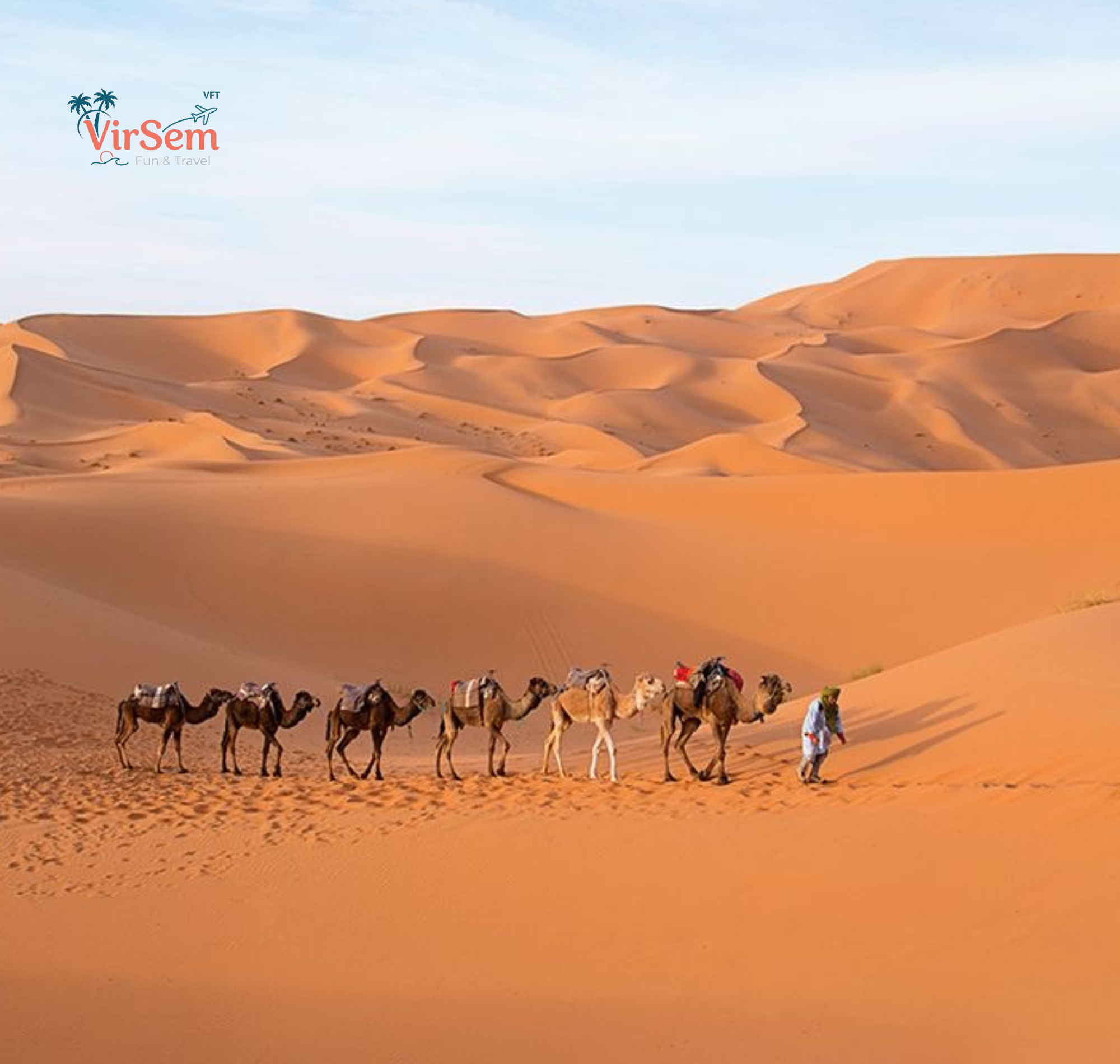
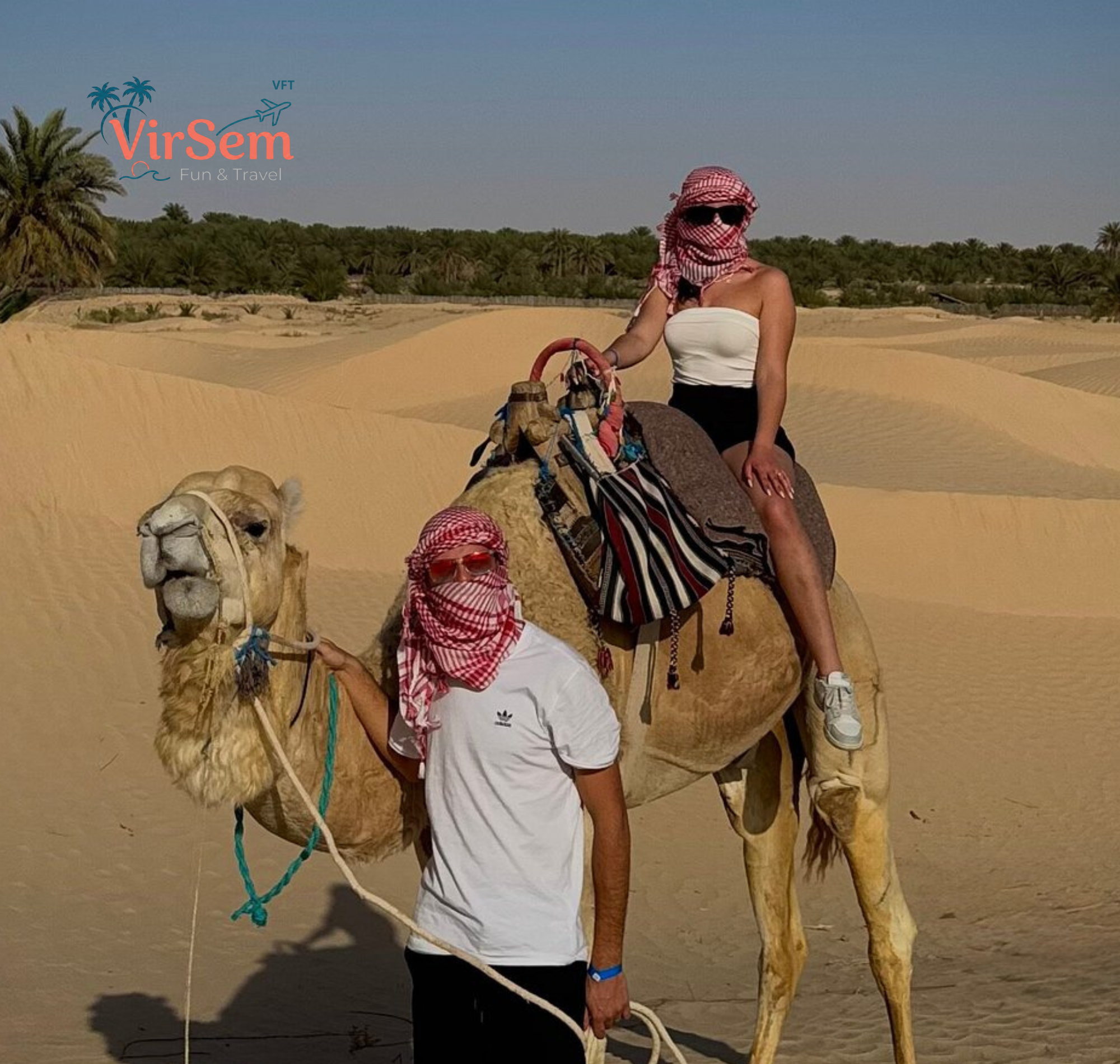
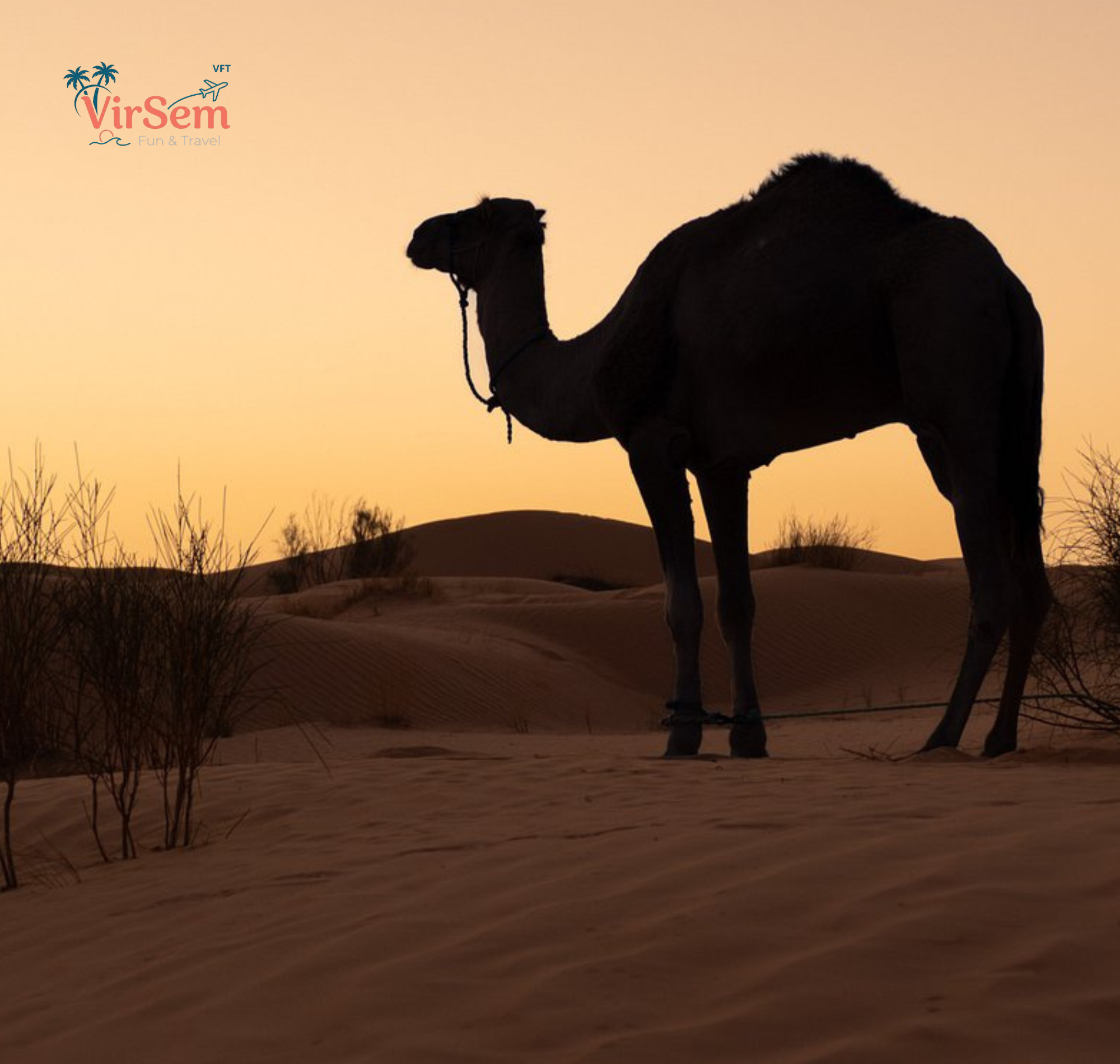
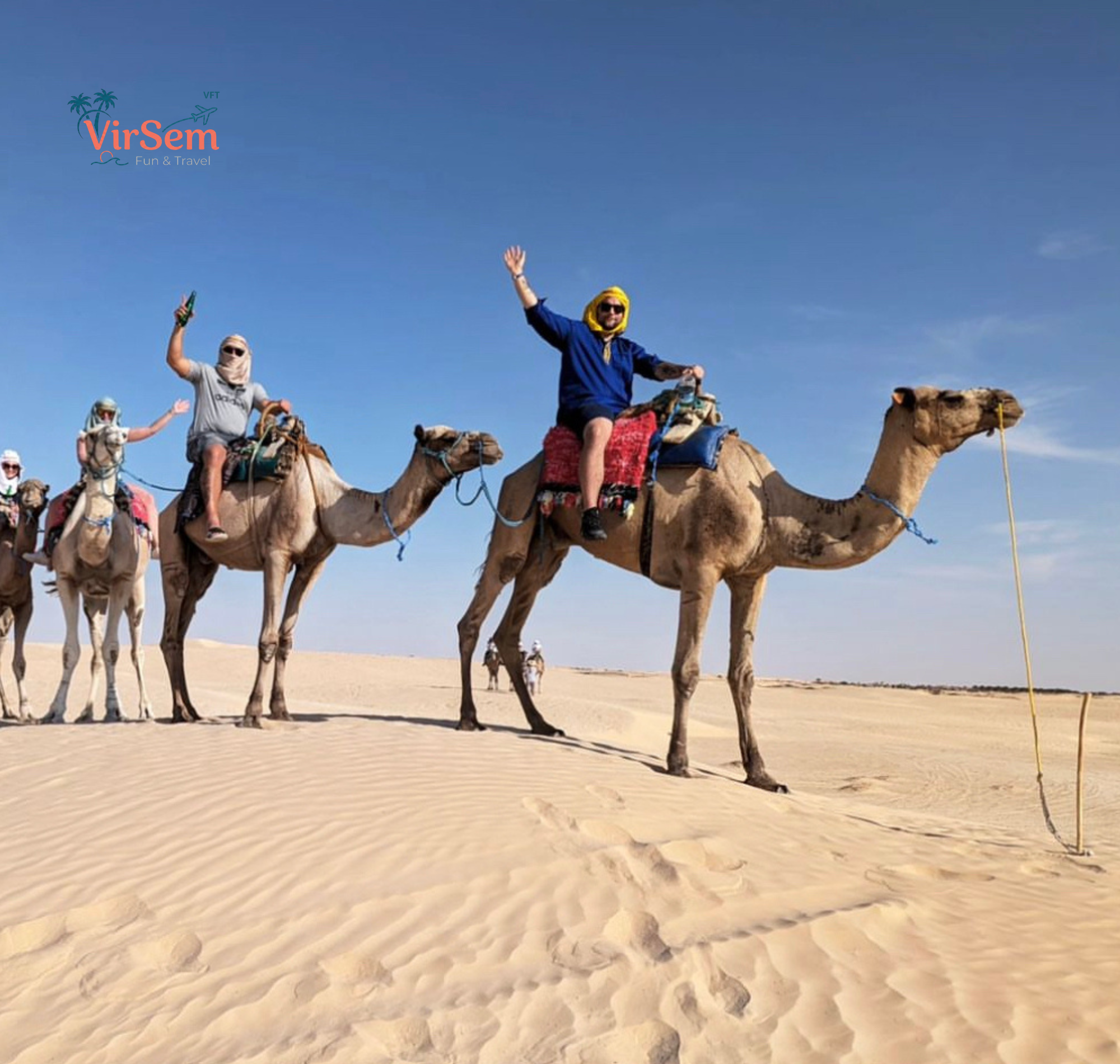
Imagine the sun dipping below a horizon of endless gold, the only sound being the soft rhythmic padding of hooves on sand. A camel ride Tunisia Sahara experience is more than just a tourist activity; it is a journey back in time. For centuries, the “ships of the desert” were the only way to traverse the vast, undulating dunes of the Tunisian Sahara desert. Today, they offer travelers a unique way to connect with the silence and majesty of one of the world’s most iconic landscapes.Whether you are looking for a short sunset trek or a multi-day Tunisia desert adventure, this Tunisia travel guide will help you plan the perfect excursion. From the gateway of Douz to the remote oasis of Ksar Ghilane, let’s explore why a camel trek should be at the very top of your list of things to do in the Sahara Tunisia.
Table of Contents
Why a Camel Ride is a Must-Do in Tunisia
What to Expect During Your Journey
Best Places for Camel Rides: Douz vs. Ksar Ghilane
What to Wear and Bring
Safety Tips and Recommendations
Best Time of Year for Your Sahara Tour Tunisia
Photography Tips for the Desert
Combining Camel Rides with Desert Camping
Frequently Asked Questions
Conclusion: Book Your Adventure
Why a Camel Ride is a Must-Do Experience in Tunisia
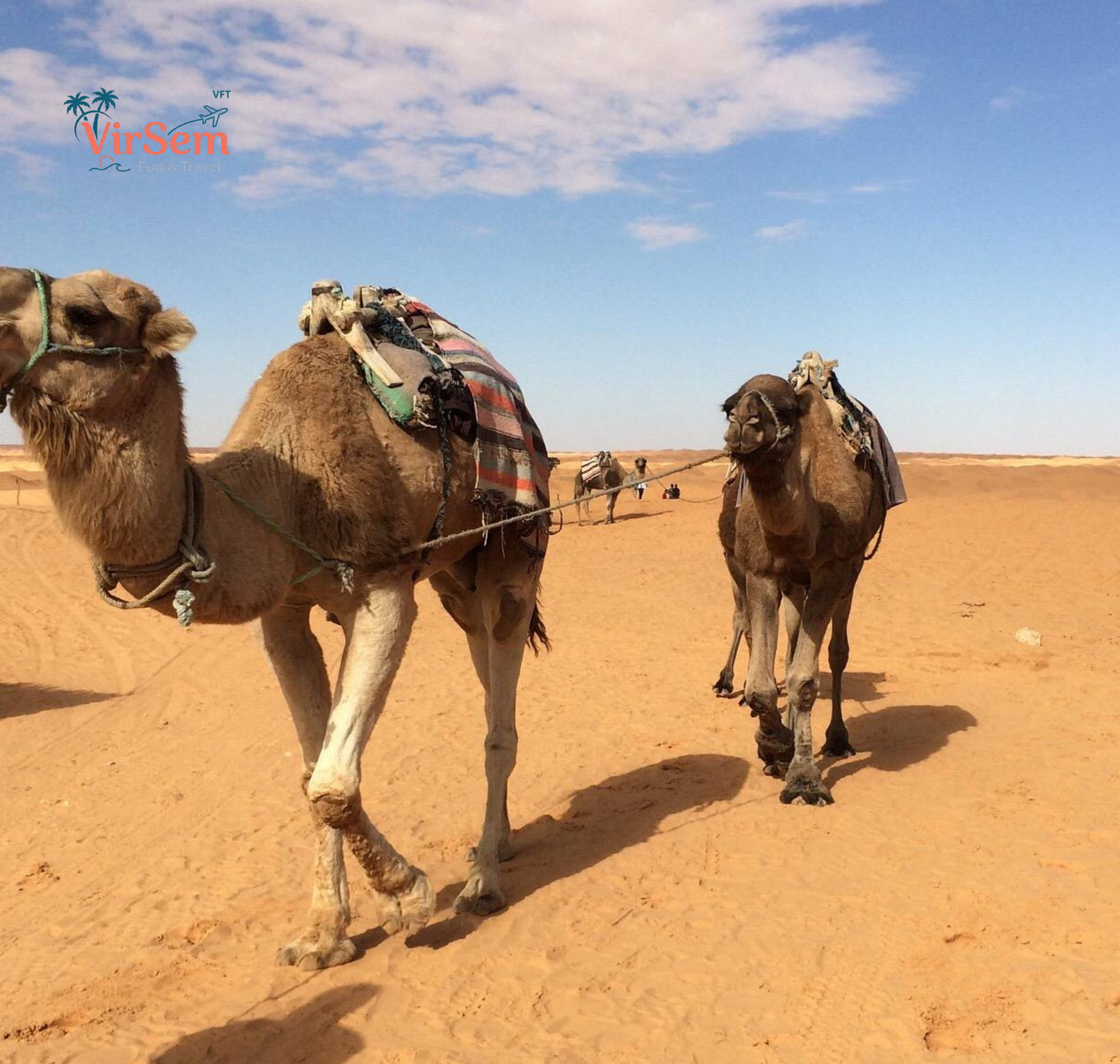
In a world of high-speed travel and digital noise, the camel ride Tunisia experience offers a rare commodity: slow, intentional movement. Camels are perfectly adapted to the harsh environment of North Africa. Riding one allows you to reach areas of the dunes that 4×4 vehicles often cannot, preserving the fragile silence of the dunes.
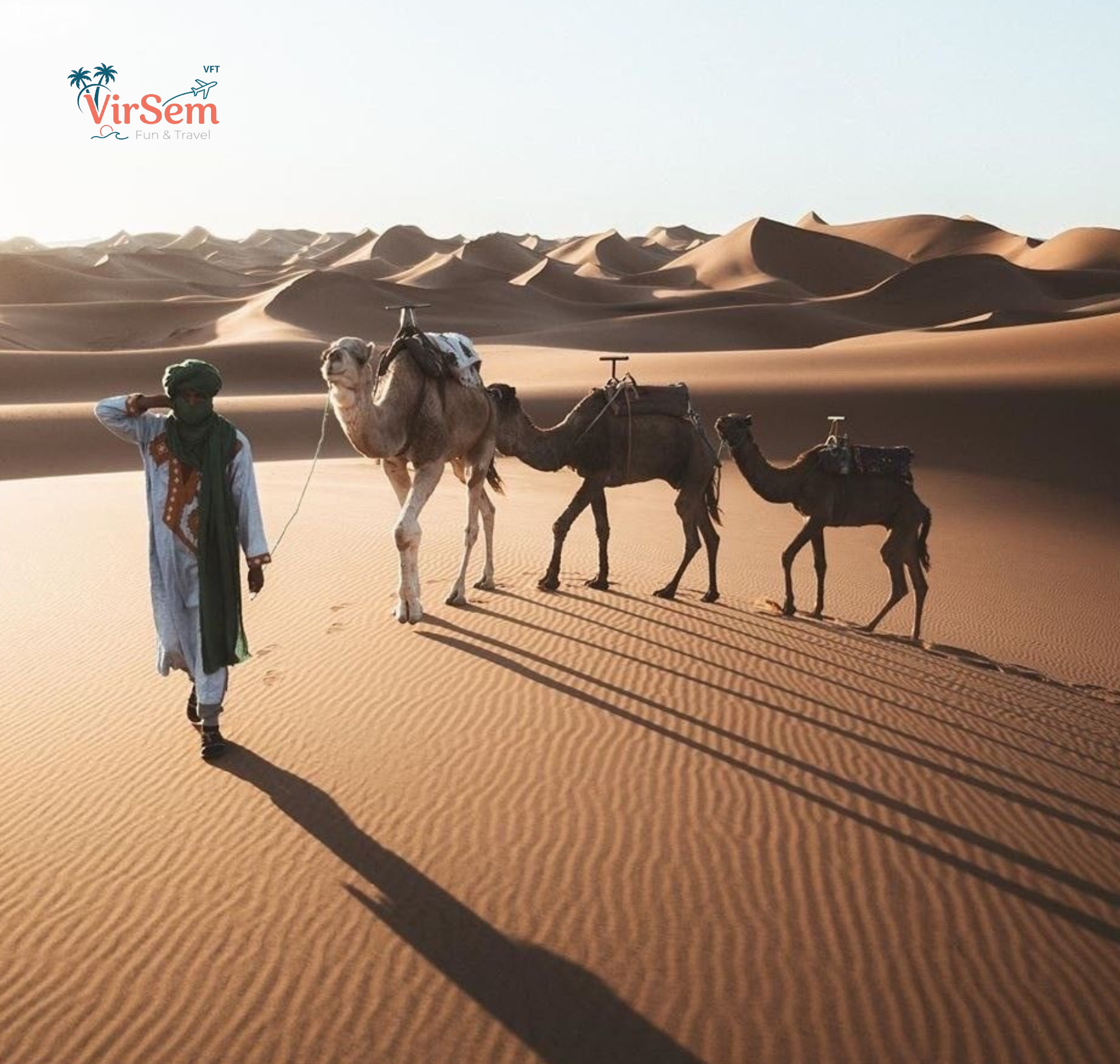
Choosing a Sahara tour Tunisia that includes a camel trek connects you with the indigenous Bedouin culture. Your guides are often experts who have lived in the desert for generations. They share stories of the stars, the winds, and the ancient trade routes that once crossed these sands, making your Tunisia desert adventure both educational and soul-stirring.
What to Expect During a Camel Ride Tunisia Sahara Adventure
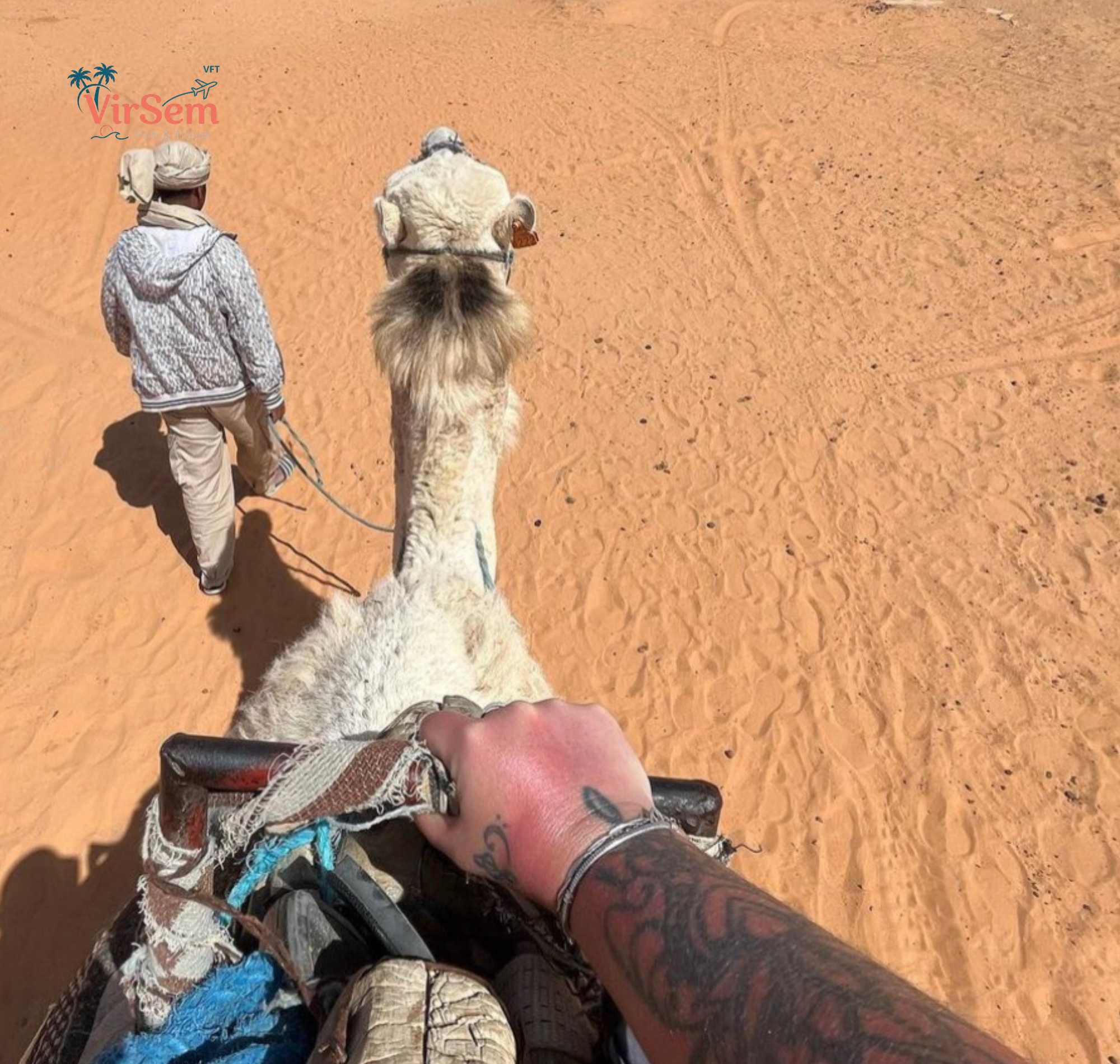
If you have never ridden a camel before, the first thing you will notice is the height. Camels are tall animals, and the process of “mounting” is an experience in itself. The camel will sit (crouch) on the sand. Once you are seated on the saddle, the camel rises back legs first, then front legs. It’s a bit of a rocky motion, but once you’re up, the view is spectacular! The pace is slow and meditative. You will feel the gentle sway of the camel’s gait, which many find incredibly relaxing. During a camel ride Tunisia Sahara trek, you will notice how the colors of the sand shift from pale yellow to deep ochre as the sun moves across the sky. The silence is profound—broken only by the occasional grunt of a camel or the soft whisper of your guide.
Best Places for Camel Rides in Tunisia
While the desert is vast, most travelers focus on two primary hubs for their Tunisia desert adventure.
Douz: The Gateway to the Sahara
Douz is known as the “Gateway to the Sahara.” It is the most popular starting point for a Douz camel excursion. The town is surrounded by the “Grand Erg Oriental,” a massive field of sand dunes. Douz is perfect for those who want a short 1-2 hour sunset ride but still want to see the classic “sea of sand” that the Tunisian Sahara desert is famous for.
Ksar Ghilane: The Oasis Experience
For a more remote feel, a Ksar Ghilane camel ride is unbeatable. This oasis is famous for its natural hot spring, where you can swim in 30°C water in the middle of the dunes. Camel treks from Ksar Ghilane often lead to the ruins of an ancient Roman fort (Tisavar), offering a mix of history and natural beauty. The dunes here are often a more vivid orange color than those in Douz.
Tunisia Travel Guide: What to Wear and Bring
Preparing for the desert requires a bit of strategy. The sun is intense during the day, but temperatures can drop significantly at night, especially if you are desert camping Tunisia style.
Item Why You Need It
Loose, Long Clothing Protects your skin from the sun and prevents saddle chafing.
Cheche (Traditional Turban) The best way to protect your head and neck from sun and wind-blown sand.
Sunscreen & Sunglasses Essential for the high UV levels in the Tunisian Sahara desert.
Closed-toe Shoes Keeps the hot sand out and provides better grip when mounting the camel.
Water Bottle Dehydration happens fast in the desert; always carry more than you think you need.
Safety Tips and Recommendations
Safety is paramount for an enjoyable camel ride Tunisia Sahara. Always follow your guide’s instructions. Hold onto the handle on the front of the saddle firmly when the camel is rising or sitting down. Keep your legs tucked in and try to move with the animal rather than resisting its motion.
Additionally, respect the animals. Tunisian camels (dromedaries) are generally well-treated, but it is always good to book through a reputable operator like Virsem Fun & Travel to ensure ethical animal welfare standards are met during your Sahara tour Tunisia.
Best Time of Year for a Camel Ride Tunisia Sahara
The best time to visit the Sahara is between late September and early May. During these months, the daytime temperatures are pleasant (20°C to 25°C), making it comfortable for long rides.
In the peak of summer (June to August), temperatures can soar above 45°C. Most operators will not run long treks during the midday heat in summer for the safety of both guests and camels. If you visit in winter (December to February), be prepared for very cold nights—temperatures can drop near freezing once the sun goes down!
Photography Tips for the Desert
The Tunisian Sahara desert is a photographer’s paradise. To get the best shots during your camel ride Tunisia:
The Golden Hour: Shoot during the hour after sunrise or before sunset for long shadows and warm, glowing light.
Protect Your Gear: Sand gets everywhere. Use a UV filter and keep your camera in a sealed bag when not in use.
Human Element: Include your guide or your camel’s shadow in the frame to provide a sense of scale and story.
Combining a Camel Ride with a Sahara Tour Tunisia
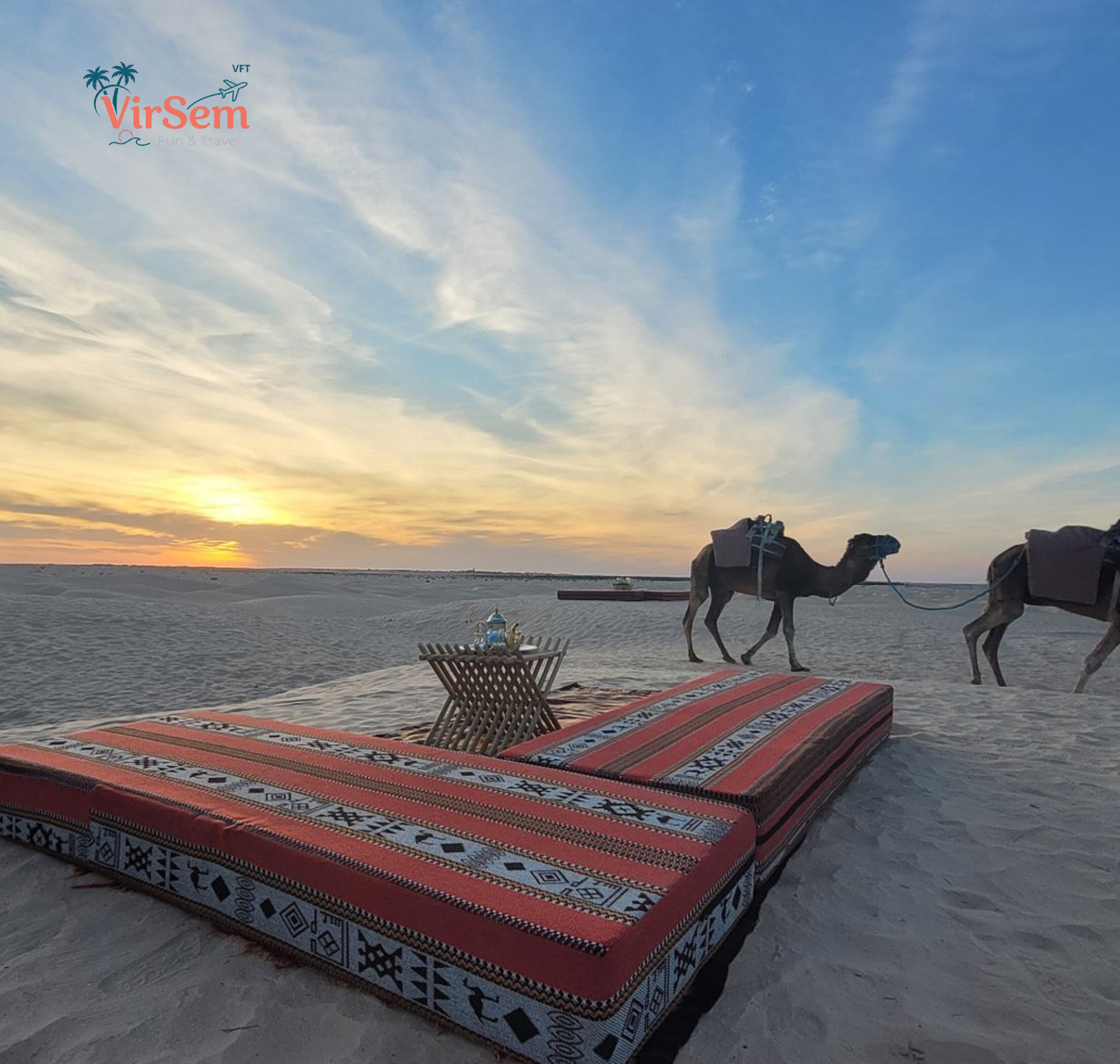
Many travelers choose to combine their camel trek with a broader Tunisia desert adventure. A popular option is a 4×4 expedition that takes you deep into the dunes, followed by a desert camping Tunisia experience. Sleeping under the stars in a traditional Bedouin tent after a sunset camel ride is often the highlight of any trip to North Africa.
Don’t forget that Tunisia is also home to incredible Star Wars filming locations. You can often find tours that combine a visit to Mos Espa or Lars Homestead with a camel trek in the nearby dunes of Nefta or Douz.
Frequently Asked Questions
Is a camel ride Tunisia Sahara safe for children?
Yes! Most children aged 5 and up can ride their own camel, while younger children can often ride with an adult. The guides are very experienced at handling families.
How long does a typical camel ride last?
Excursions range from 1-hour sunset rides to 3-day treks. For most beginners, a 2-hour ride is the perfect balance of adventure and comfort.
Do I need to be physically fit for a camel ride?
A basic level of mobility is needed to mount and dismount the camel. If you have severe back issues, you might find the swaying motion uncomfortable over long distances.
What is the difference between a camel and a dromedary?
In the Tunisian Sahara desert, you will be riding dromedaries, which have one hump. Bactrian camels (two humps) are found in Central Asia.
Can I go camel riding if I am staying in a coastal resort?
While some resorts offer short rides on the beach, for an authentic camel ride Tunisia Sahara experience, you should book a tour that takes you inland to Douz or Ksar Ghilane.
Conclusion: Plan Your Adventure Today
A camel ride Tunisia Sahara is an essential bucket-list item for anyone visiting Tunisia. It offers a profound connection to nature and a glimpse into a traditional way of life that has remained unchanged for centuries. From the breathtaking sunsets of Douz to the thermal springs of Ksar Ghilane, the desert is waiting to be explored.